Report: A Study to Determine the Feasibility of Establishing an Alternative Child and Adult Care Food Program Eligibility Process for Family, Friend and Neighbor Caregivers in Colorado

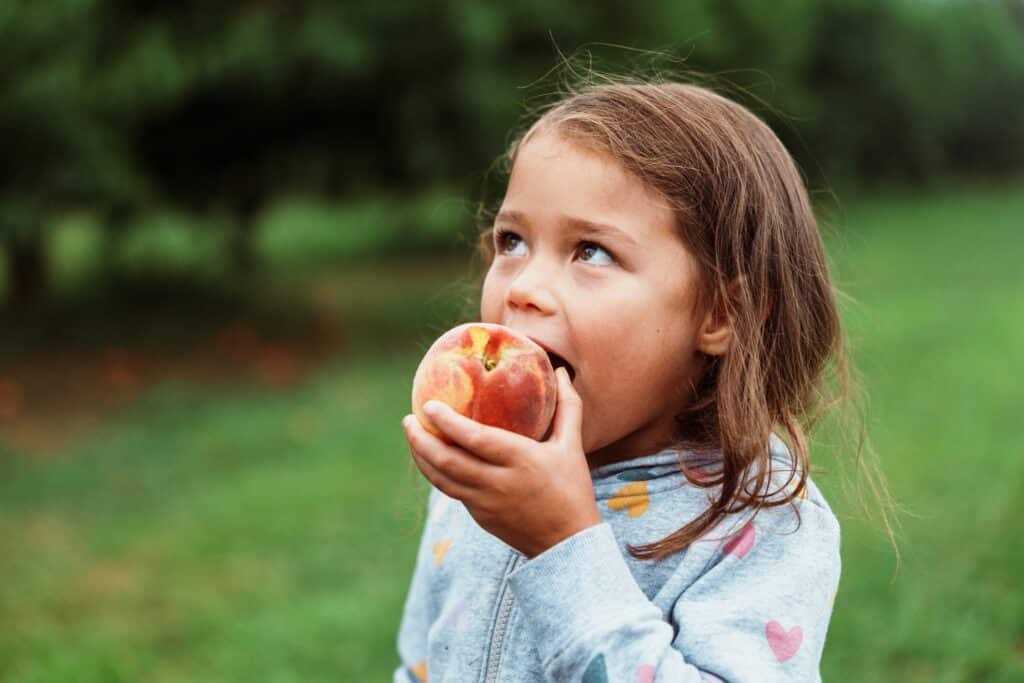
Young girl in a gray hoodie eating a peach outdoors with green grass in the background.

Family, friend, and neighbor (FFN) caregivers are a critical part of Colorado’s early-childhood ecosystem — yet many are locked out of federal nutrition support. This new feasibility study explores how the Child and Adult Care Food Program (CACFP) can be made more accessible for these license-exempt caregivers. The study examines legal frameworks, caregiver experiences, and system design, and recommends a streamlined registration pathway that reduces administrative burden. By removing the linkage between CACFP eligibility and state subsidy programs, this model could help FFN providers serve healthier meals and strengthen community-based care.

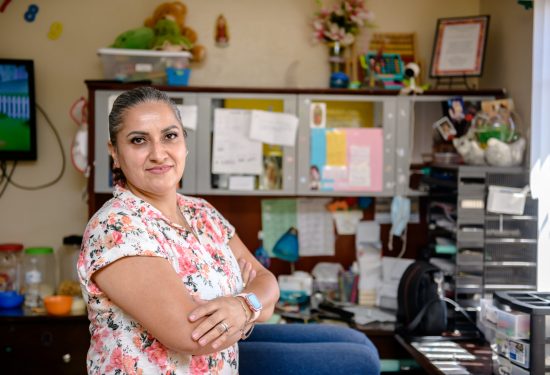
Women’s contributions and experiences are not well represented in the record books, but it is just as rich and worth celebrating. Ours is a tale of community, resilience, and connection to one another, and it is inextricably linked with care work. 
During Women’s History Month, we celebrate the contributions that women have made to every corner of our society and honor their achievements. Among these leaders are the more than 5 million women who form the backbone of home-based child care (HBCC).
For generations, Black home-based child care providers have built systems of care rooted in community, trust, and resilience, often stepping in where formal systems fell short. Of the over 5 million home-based child care providers, including Family Child Care providers and paid and unpaid Family Friend and Neighbor caregivers, roughly a quarter in each subgroup identify as Black Non-Hispanic