
Home Grown’s Response to the Office of Head Start (OHS) Notice of Proposed Rulemaking (NPRM) “Supporting the Head Start Workforce and Consistent Quality Programming”

Colorful toy train set with tracks, trees, a signal light, and a station with a police figure.

Home Grown is grateful for this opportunity to provide comments in response to the Office of Head Start (OHS) Notice of Proposed Rulemaking (NPRM) entitled “Supporting the Head Start Workforce and Consistent Quality Programming,” introduced to add new guidance and clarity to the Head Start Program Performance Standards (HSPPS).

We appreciate the Administration’s persistent use of the powers of the executive branch to recognize the value of high-quality early learning opportunities for young children, the urgent need of families across the United States to access quality child care (particularly families with limited resources) and the need of the early learning workforce to earn family-sustaining wages for their critically necessary work. Our recommendations aim to ensure that family child care (FCC) providers, who constitute a vital part of the Head Start workforce, can share in the benefits of the changes proposed by the Administration for the Head Start workforce and help meet the need for high-quality, accessible and affordable early care and education.
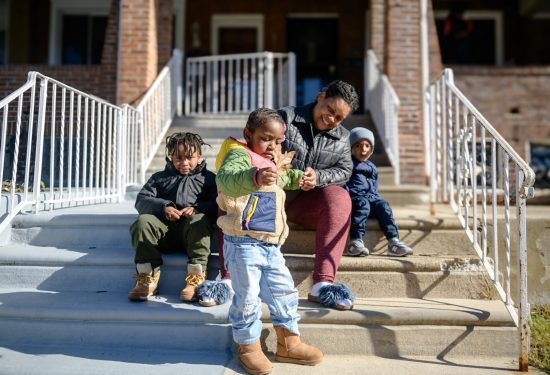
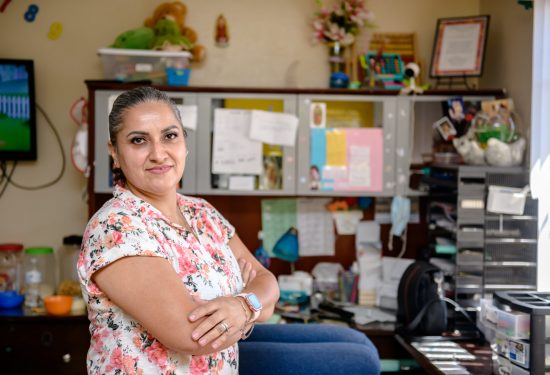
Women’s contributions and experiences are not well represented in the record books, but it is just as rich and worth celebrating. Ours is a tale of community, resilience, and connection to one another, and it is inextricably linked with care work. 
During Women’s History Month, we celebrate the contributions that women have made to every corner of our society and honor their achievements. Among these leaders are the more than 5 million women who form the backbone of home-based child care (HBCC).
For generations, Black home-based child care providers have built systems of care rooted in community, trust, and resilience, often stepping in where formal systems fell short. Of the over 5 million home-based child care providers, including Family Child Care providers and paid and unpaid Family Friend and Neighbor caregivers, roughly a quarter in each subgroup identify as Black Non-Hispanic