Community Resources for Children

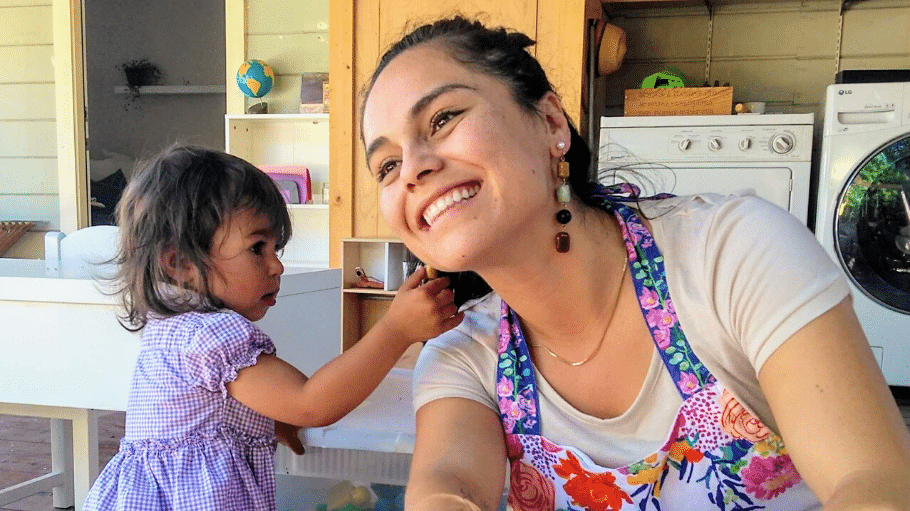
Smiling woman in a colorful apron with a young girl indoors near a washing machine and wooden shelves.

COVID-19 Impact

Not only is the California child care industry at risk of financial collapse, many providers and their families are facing serious health risks. This survey finds that 63% of open child care programs would not survive a closure of one month or longer.

Emergency Fund

Community Resources for Children is providing wrap-around support for 62 home-based child care providers in Napa County in the form of $1,000-$2,500 stipends to help offset losses due to decreased enrollment and increased costs related to safety and health requirements.

Additionally, all home-based child care providers in Napa County will have access to cleaning and sanitation supplies; guidance on re-opening child care homes and centers; bilingual webinars on self-care, and supporting social-emotional health of children; and access to local food, mental health, and financial assistance resources.

Home Grown is a national collaborative of funders committed to improving the quality of and access to home-based child care with a mission to increase access to and the quality of home-based child care. 

Women’s contributions and experiences are not well represented in the record books, but it is just as rich and worth celebrating. Ours is a tale of community, resilience, and connection to one another, and it is inextricably linked with care work. 
During Women’s History Month, we celebrate the contributions that women have made to every corner of our society and honor their achievements. Among these leaders are the more than 5 million women who form the backbone of home-based child care (HBCC).
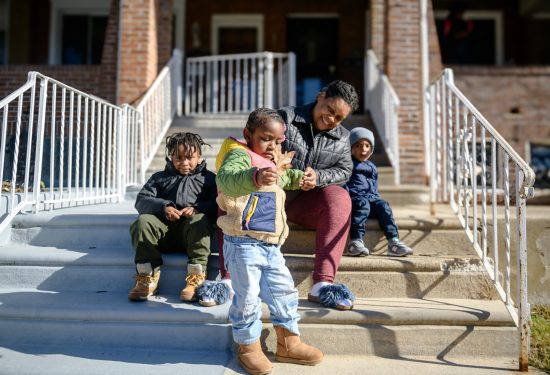
For generations, Black home-based child care providers have built systems of care rooted in community, trust, and resilience, often stepping in where formal systems fell short. Of the over 5 million home-based child care providers, including Family Child Care providers and paid and unpaid Family Friend and Neighbor caregivers, roughly a quarter in each subgroup identify as Black Non-Hispanic