La Red Latina de Educación Temprana

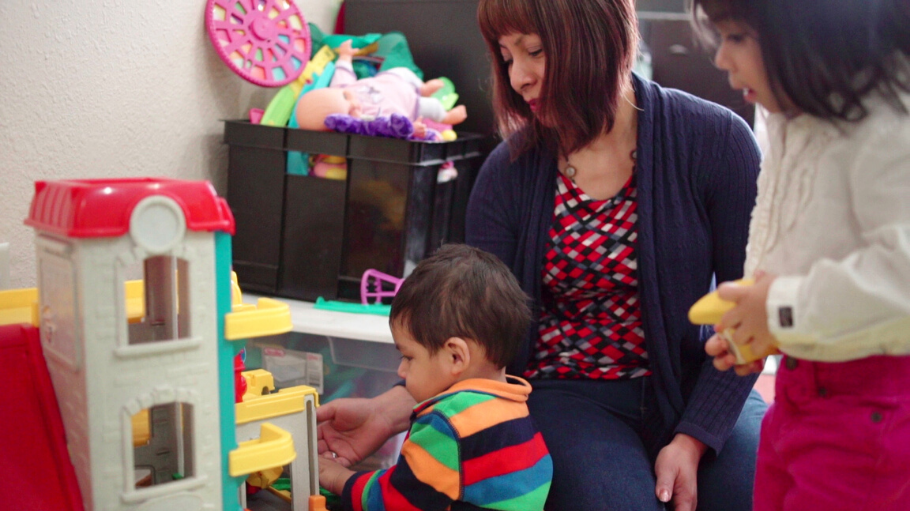
Woman and two children play with a toy house; toys and a doll are visible in the background.

COVID-19 Impact

A NAEYC survey in April 2020 reported that 15% of child care programs were completely closed in Minnesota, with another 20% open only for children of essential workers, and 47% operating with modified rules. Of providers who are still open, 75% were operating at less than 50% capacity.

Emergency Fund

La Red Latina de Educación Temprana “La Red” is a community-created model and intermediary designed to train and support FFN providers. La Red Latina de Educación Temprana has developed a fund to address immediate needs in the Latinx community due to the COVID19 pandemic. La Red is reaching out to our over 220 members who are primarily undocumented and mixed-status families providing high-quality care to undocumented and mixed-status families living across the Twin Cities region. With this funding, we will provide grants to FFN providers to purchase additional food for their family, medicine, and other items of need.

Home Grown is a national collaborative of funders committed to improving the quality of and access to home-based child care with a mission to increase access to and the quality of home-based child care. 

Women’s contributions and experiences are not well represented in the record books, but it is just as rich and worth celebrating. Ours is a tale of community, resilience, and connection to one another, and it is inextricably linked with care work. 
During Women’s History Month, we celebrate the contributions that women have made to every corner of our society and honor their achievements. Among these leaders are the more than 5 million women who form the backbone of home-based child care (HBCC).
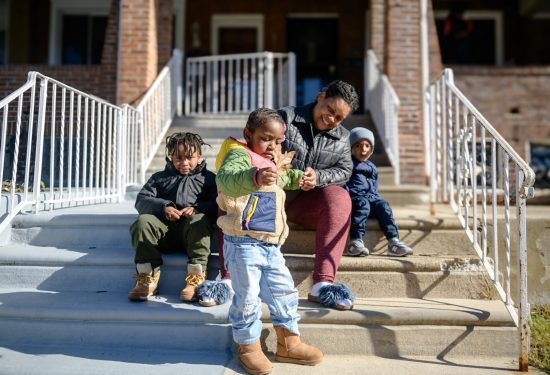
For generations, Black home-based child care providers have built systems of care rooted in community, trust, and resilience, often stepping in where formal systems fell short. Of the over 5 million home-based child care providers, including Family Child Care providers and paid and unpaid Family Friend and Neighbor caregivers, roughly a quarter in each subgroup identify as Black Non-Hispanic