Programs for Parents

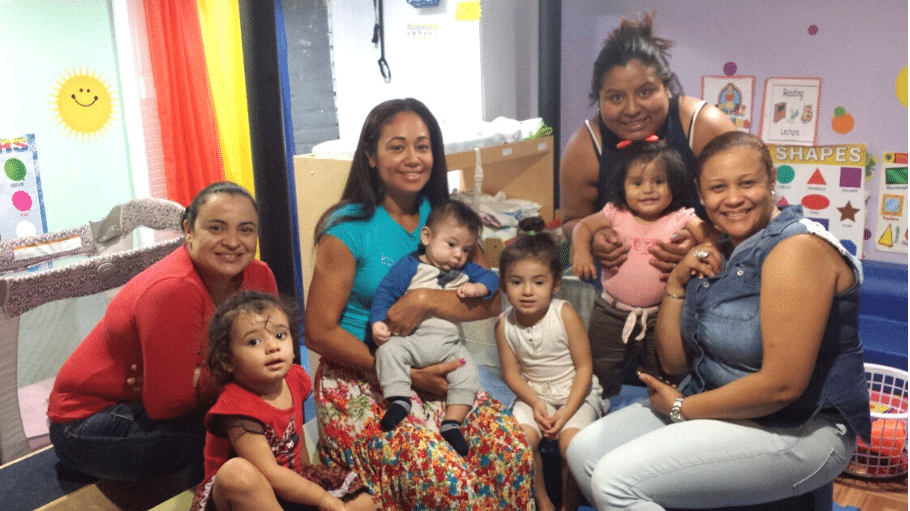
Five women and four young children smiling together in a colorful playroom with educational posters on the wall.

COVID-19 Impact

A NAEYC survey in April 2020 reported that 82% of child care programs were completely closed in New Jersey, with another 11% open only for children of essential workers. Of providers who are still open, 75% were operating at less than 25% capacity.

Emergency Fund

Programs for Parents launched a COVID-19 emergency fund to support the 180 registered family child care providers and 120 family, friend, and neighbor providers in Essex County, the largest county in the state of New Jersey. The goal of the fund is to address the immediate needs of home base providers to ensure that they can adequately reopen or continue to provide safe and healthy child care services to children. Ultimately, the fund will help to maintain the supply of home-based child care, ensure access to child care for essential workers, and to stabilize the economic status of home-based caregivers and providers in Essex County.

Home Grown is a national collaborative of funders committed to improving the quality of and access to home-based child care with a mission to increase access to and the quality of home-based child care. 

Women’s contributions and experiences are not well represented in the record books, but it is just as rich and worth celebrating. Ours is a tale of community, resilience, and connection to one another, and it is inextricably linked with care work. 
During Women’s History Month, we celebrate the contributions that women have made to every corner of our society and honor their achievements. Among these leaders are the more than 5 million women who form the backbone of home-based child care (HBCC).
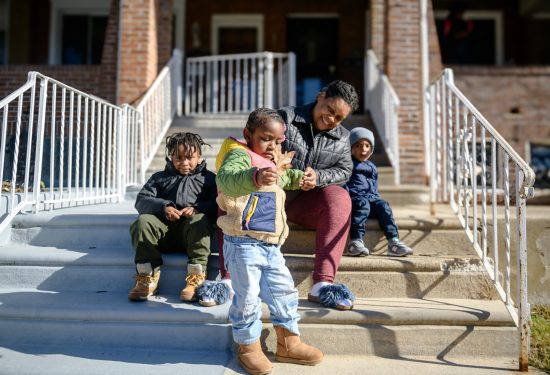
For generations, Black home-based child care providers have built systems of care rooted in community, trust, and resilience, often stepping in where formal systems fell short. Of the over 5 million home-based child care providers, including Family Child Care providers and paid and unpaid Family Friend and Neighbor caregivers, roughly a quarter in each subgroup identify as Black Non-Hispanic