The Aunt Bees of America

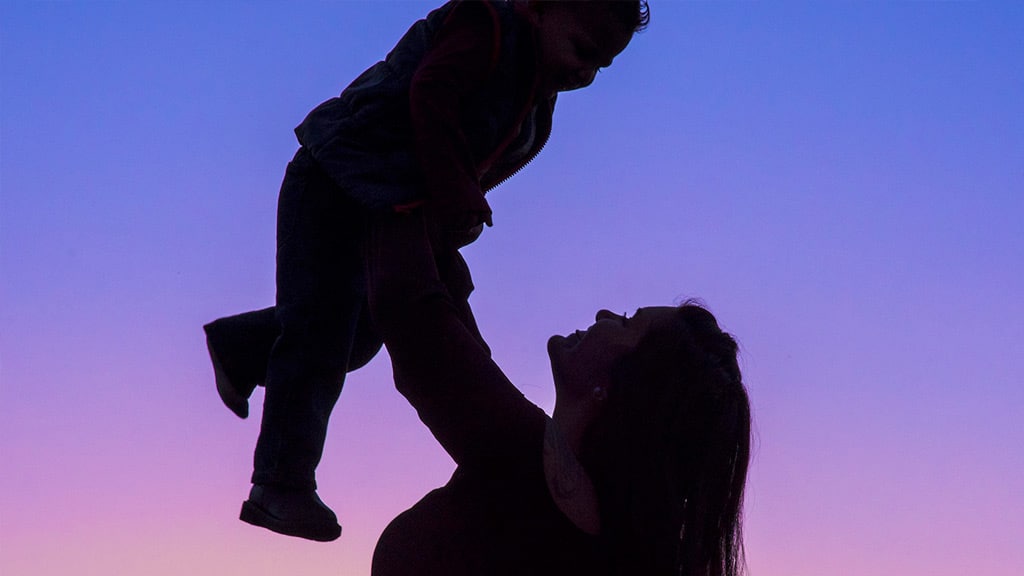
Silhouette of a woman lifting a child against a purple and blue sunset sky.

During her convention speech last week, Senator Elizabeth Warren, sitting in a now closed child care center, spoke about the critical role informal, home-based child care played in her story. She spoke about her Aunt Bee, who stepped in to take care of Warren’s children when she was juggling a full-time teaching job in Texas. Without Aunt Bee, would Warren’s story be one of transformative community impact and personal success?

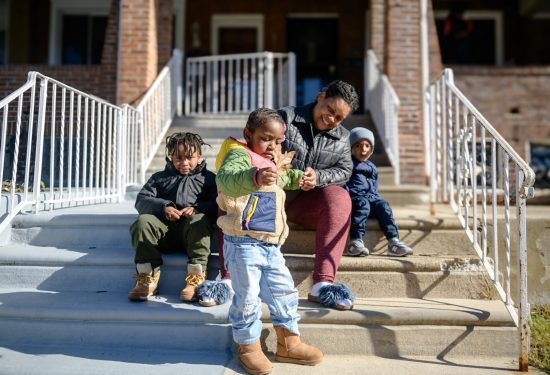
There are 3.5 million Aunt Bees across this country caring for nearly half of all young children who need child care, often their nieces and nephews, grandkids or neighbors. They are the backbone of the American child care system — largely unseen and drastically under-resourced. Caregivers like Aunt Bee, mostly motivated by love and familial or community duty, are the care and education infrastructure that is keeping our country afloat.
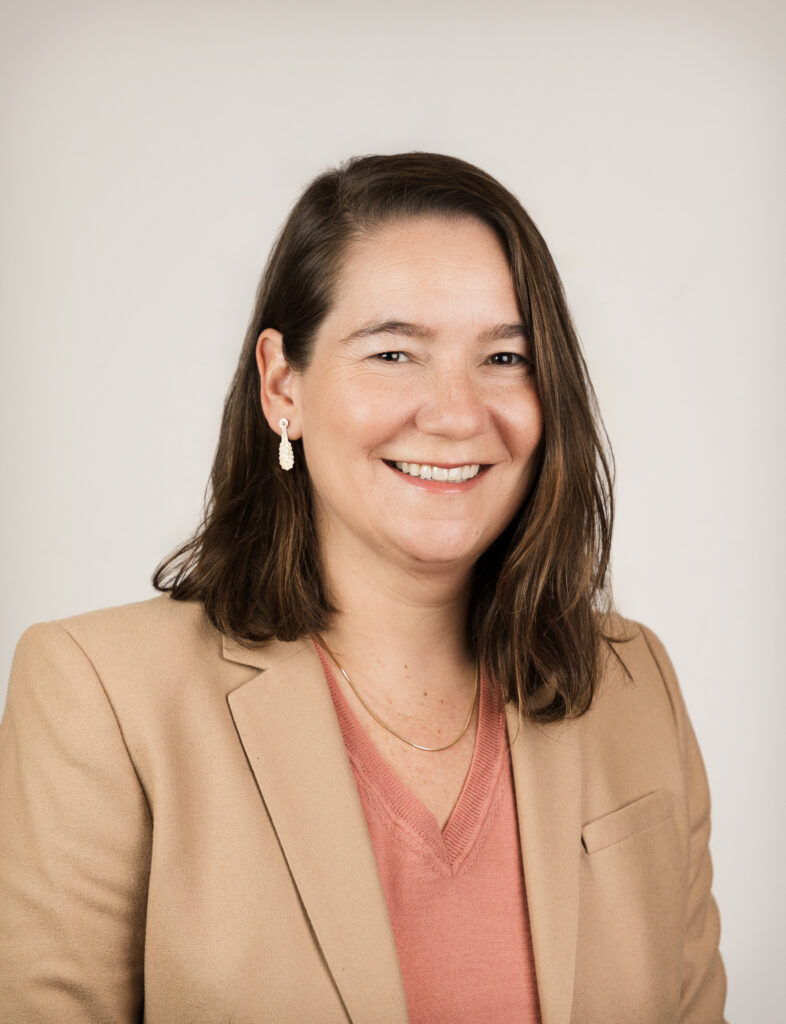
Natalie Renew is the Executive Director of Home Grown, a national initiative committed to improving the quality of and access to home-based child care. She is an early childhood professional with more than 15 years of experience in the nonprofit and social service sector supporting children and families furthest from opportunity.

Women’s contributions and experiences are not well represented in the record books, but it is just as rich and worth celebrating. Ours is a tale of community, resilience, and connection to one another, and it is inextricably linked with care work. 
During Women’s History Month, we celebrate the contributions that women have made to every corner of our society and honor their achievements. Among these leaders are the more than 5 million women who form the backbone of home-based child care (HBCC).
For generations, Black home-based child care providers have built systems of care rooted in community, trust, and resilience, often stepping in where formal systems fell short. Of the over 5 million home-based child care providers, including Family Child Care providers and paid and unpaid Family Friend and Neighbor caregivers, roughly a quarter in each subgroup identify as Black Non-Hispanic