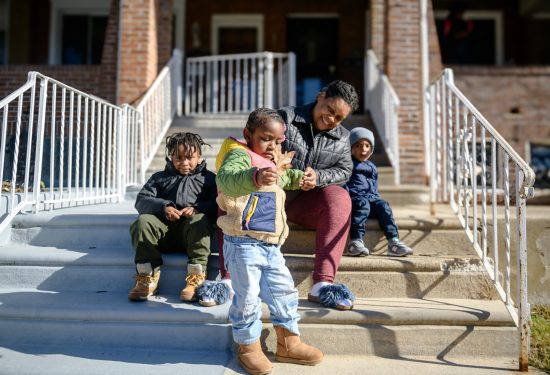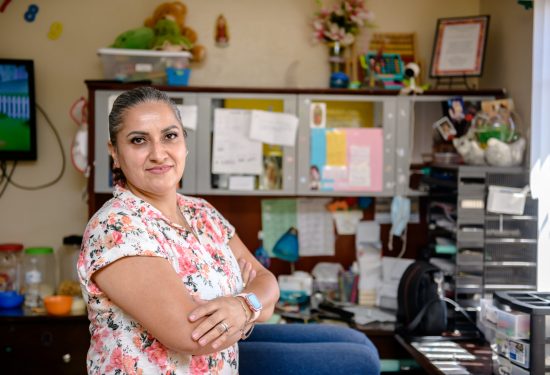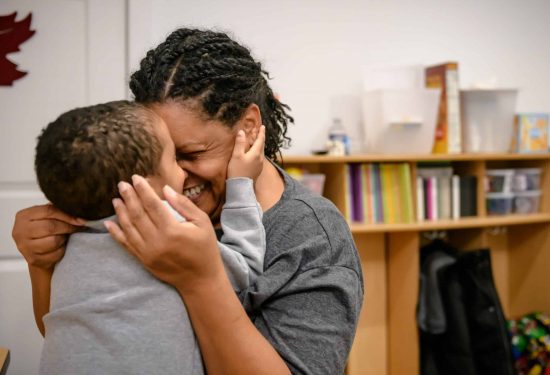
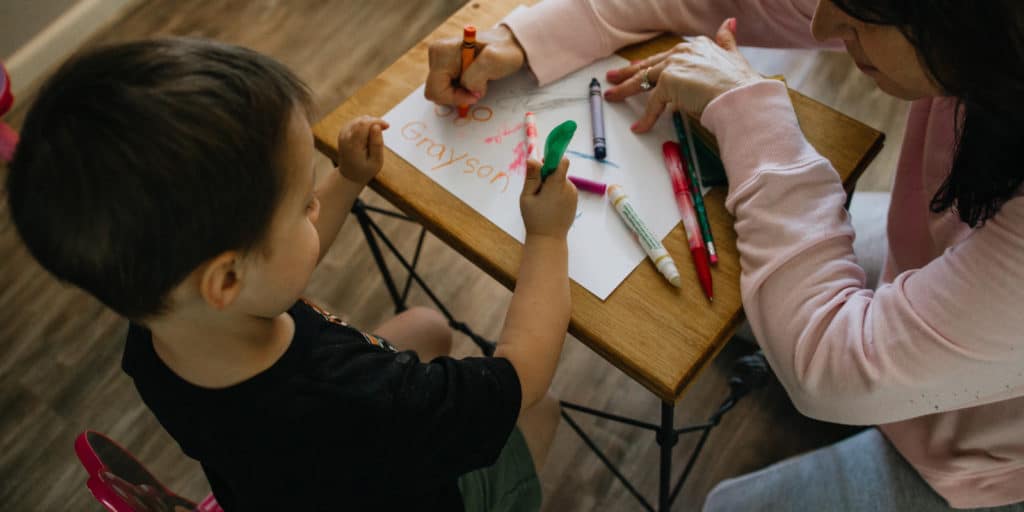
On Wednesday, October 13, 2021, 11:30-12:30 Eastern, join Home Grown, NIEER, state and city Pre-K leaders, and special guests from the U.S. Department of Education and the Office of Early Childhood Development for a conversation about the inclusion of Family Child Care (FCC) in public Pre-K systems. This session will include a discussion of findings from the newly released report from NIEER, funded by Home Grown, Including Family Child Care in State- and City-funded Pre-K Systems: Opportunities and Challenges. As the nation looks to make historic investments in pre-K, FCC programs can help ensure that we reach traditionally underserved communities, including Black and Brown, rural, and low-income families and those who work nontraditional or unpredictable schedules, groups that are more likely to use home-based care. Pre-K in FCC programs exist around the country and there is much to learn from these places as we consider how best to design more inclusive systems.
Speakers include:
- GG Weisenfeld, Senior ECE Policy Specialist, National Institute for Early Education Research
- Natalie Renew, Director, Home Grown
- Katie Hamm, Deputy Assistant Secretary, Administration for Children and Families, Office of Early Childhood Development
- Miriam Calderon, Deputy Assistant Secretary, Early Learning, U.S. Department of Education
- Monica Liang-Aguirre, Director, Early Learning, Seattle Department of Education and Early Learning
- Kate Rogers, Vermont Agency of Education
- Adrienne Biggs, Owner, Lil Bits Family Child Care Home